Modern public services are built around a simplified and predictable interaction between a person and the system. The focus is on customer experience, speed of request processing, transparency of procedures and minimisation of repeated actions on the part of the applicant. The main focus is on digital services, which are available through online applications and smart channels, as well as offline service points designed for complex or urgent cases.
The key principle of this model is proactive services. Services are provided not only on request but also automatically, based on already available data related to life events: employment, residency, updating documents, and changing family data. When integrated with a passport scanner, these processes significantly reduce the number of repeat submissions, lower the load on service centres and shorten overall processing time, especially in scenarios involving dual nationality or frequent document updates.
Page Contents
Unified Service Logic and Interaction Channels
All services are integrated into unified channels, which include digital platforms, physical service centres and authorised intermediary points. The user can choose a convenient format while maintaining a unified application process, downloading required documents, tracking status, and receiving real-time notifications. From a system perspective, this unified logic is typically managed through business software management platforms that coordinate data exchange, validation rules and workflow stages across channels.
Applications are submitted via the website or mobile application, and in cases requiring personal presence, service centres are used. Urgent service with additional payment is provided for urgent requests. At the same time, the standard delivery time for most services is up to 48 hours after all conditions are met.
Identification and Biometric Data

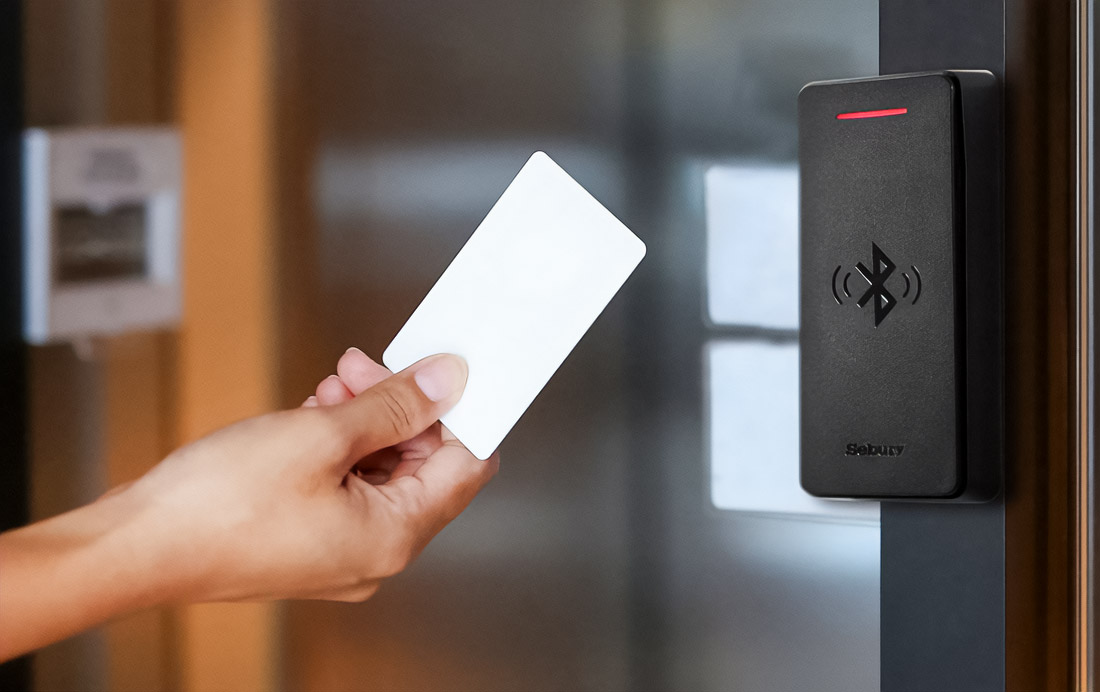
A separate area of the system is identity verification. Biometric data, including photographs and fingerprints, is used to process and update documents. Registration of biometrics is mandatory for persons over the age of 15, which ensures correct identification and protection against data duplication.
Photos must meet the established standards: white background, clear image of the face, and absence of visual distortions. Compliance with these requirements directly affects the processing speed of the application and eliminates resubmission.
If documents are lost or damaged, the replacement procedure is available. If the defect is caused by a technical reason, the replacement is performed free of charge. In all other cases, the standard submission procedure is applied while maintaining the previous validity period.
Residence, Visas and Validity Periods

The system covers various categories of residence permits and visas. The validity period of the documents depends on the type of permit and can be 1, 2, 3, 5 or 10 years. For individual visas, a stay limit is set – for example, no more than 180 days per year for multiple entries. Accurate capture of document data through a passport scanner is critical in these cases, as errors may affect entry records or overstays
Passport documents have a validity period of 5 or 10 years, depending on the age of the applicant. The minimum valid period of a passport for submitting applications is 6 months. It is recommended to apply for an upgrade no later than 30 days before the deadline, as after that a fine begins to accrue – 20 units per day, but no more than 1,000.
Comprehensive Services and Life Events
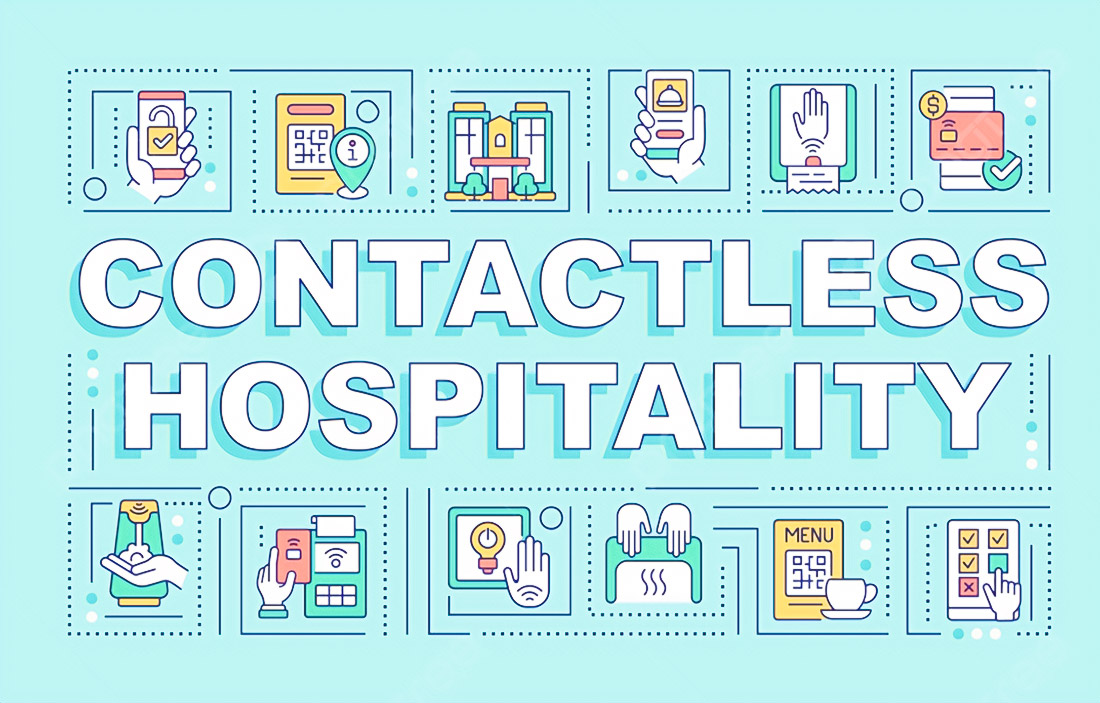
To simplify the procedures, service bundles are used – combined services related to a specific task. One example is the issuance of a work permit, which includes a medical check, registration of biometrics, issuance of an identity card, and registration of residency in a single process. This reduces the number of sessions and eliminates data resubmission.
A similar approach is applied to family services: registration and modification of family data, adding children, and correcting marriage or divorce records. The application is submitted by the head of the family or a legal representative, and the data is updated in a single system.
Quality assessment and service control

The quality of service provision is monitored through a multi-level evaluation system. A star rating is used, which is assigned based on the results of an independent audit. The assessment range is from 2 to 7, and the review is carried out every two years.
The assessment is based on 8 main areas, 35 subcategories and more than 300 criteria, distributed across 4 levels of maturity – from beginner to leading. Survey results, audit reports, and customer satisfaction metrics are taken into account.
A real-time survey is used to collect feedback, which is sent immediately after receiving the service. This allows you to identify weaknesses, monitor the dynamics and improve service quality without delay.
Transparency, responsibility and data protection
The system is focused on privacy protection and secure information processing. The principle of providing data once reduces the risks of errors and leaks and simplifies the interaction between departments.
Official complaint and inquiry channels are available for users. Each request is accompanied by a transparent status and traceability, which increases trust and reduces the number of repeat requests.
The modern model of public services is based on a combination of digital and physical channels, clear procedures, uniform standards and continuous quality assessment. Digital services, proactive services, biometric identification, and a strict control system make it possible to shorten deadlines, increase convenience, and provide predictable results for the user. This model is based not on technology as a goal, but on a clear process in which every step is known and measurable in advance.