Home safety, UAE
Page Contents
Why You Shouldn’t Repair Electrical Wiring Yourself
Changing a light bulb is one thing. Opening a wall, chasing a short circuit, or running new cable is another. In the UAE, home electrical work is regulated by DEWA in Dubai, ADDC in Abu Dhabi, SEWA in Sharjah, and similar authorities in the other emirates, and for good reason. Wiring mistakes cause fires, fatal shocks, and insurance claims that get rejected. This guide explains the real risks, the tips that actually help, and when picking up the phone is the smarter move.
Most villas and apartments in Dubai and Abu Dhabi run on 230V single-phase or 400V three-phase supplies. That is more than enough to stop a heart. Add high summer humidity, dust inside distribution boards, and AC units drawing heavy loads, and a small wiring mistake stops being small very quickly. According to the medical literature on electrical injury currents as low as 100 mA across the chest can be lethal, and household circuits deliver many times that.
The trade-off: DIY versus a licensed electrician
Calling a licensed electrician
- Work is compliant with DEWA, ADDC or SEWA rules
- Insurance and warranty stay valid after a claim
- Correct cable sizing for AC and kitchen loads
- Proper earthing and RCD protection tested on site
- Faults diagnosed with a multimeter and clamp meter, not guesswork
- Written invoice you can show your building management
Doing it yourself
- Risk of electric shock, burns or arc flash
- Hidden cables behind gypsum walls are easy to drill into
- Undersized wire overheats and melts insulation
- Home insurance may refuse to pay after a fire
- Landlord or developer can charge you for damage
- No test certificate, no legal cover
Tip 1: Treat an emergency as an emergency
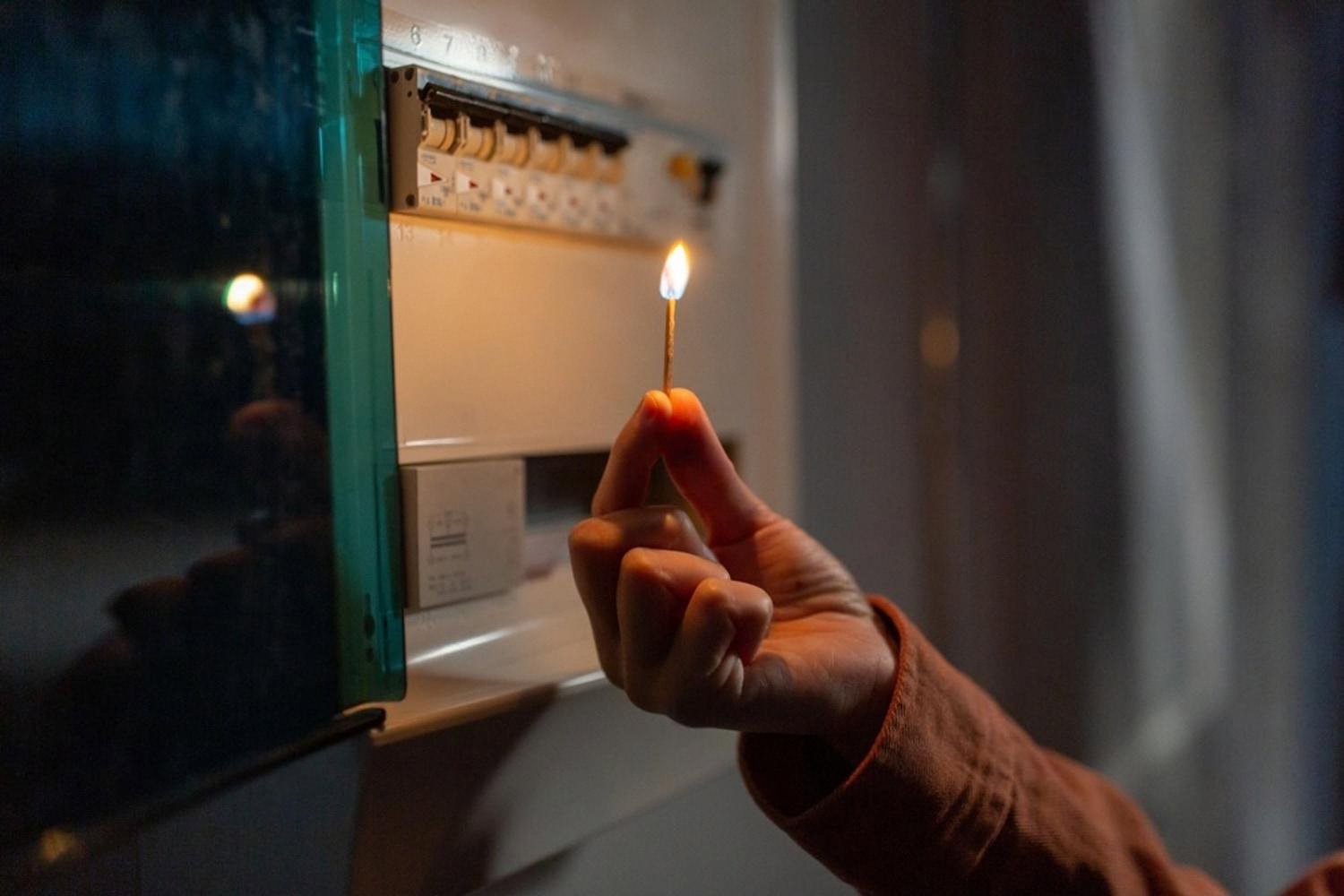
If you smell burning plastic, see sparks at a socket, hear buzzing from the distribution board, or a breaker keeps tripping the moment you reset it, stop. Do not open the panel to “have a look”. These are the signals that something is already failing.
- Switch off the main isolator at the DB if you can reach it safely and dryly
- Unplug appliances near the affected socket, pulling by the plug body
- Keep water and metal objects away from the area
- Call your building’s 24-hour maintenance line, or DEWA on 991 for a public supply fault
- For fire or smoke, call Civil Defence on 997 before anything else
A qualified electrician arriving on site will isolate the circuit, use a voltage tester to confirm it is dead, and only then start opening terminals. That sequence exists because the alternative has killed people.
Tip 2: Never guess where cables run behind the wall
Hanging a mirror or a TV bracket is where most DIY electrical accidents actually start. Cables in UAE homes are usually run inside conduits above sockets and switches, then across ceilings, but there is no guarantee the previous contractor followed the drawing. A cable detector helps, but it is not perfect on thick gypsum or plaster.
- Assume every wall has hidden wiring until proven otherwise
- Do not drill directly above or below a switch, socket, or light fitting
- Use a proper multi-mode detector, not a cheap magnetic stud finder
- If you are unsure, mount into visible studs or ask a maintenance company to scan first
Drilling through a live cable is one of the most common ways homeowners give themselves a serious shock. It also creates a hidden fault that can smoulder inside the wall for days.
Tip 3: Bundle electrical checks with routine home maintenance
Electrical faults rarely appear out of nowhere. Loose neutral connections, corroded contacts, and overheated breakers usually give warning signs for weeks. A yearly inspection catches them cheaply. In practice, most UAE households already schedule AC maintenance in Dubai before the summer peak, and it makes sense to have the same visit cover a quick check of the distribution board, the earth connection, and any sockets that feel warm.
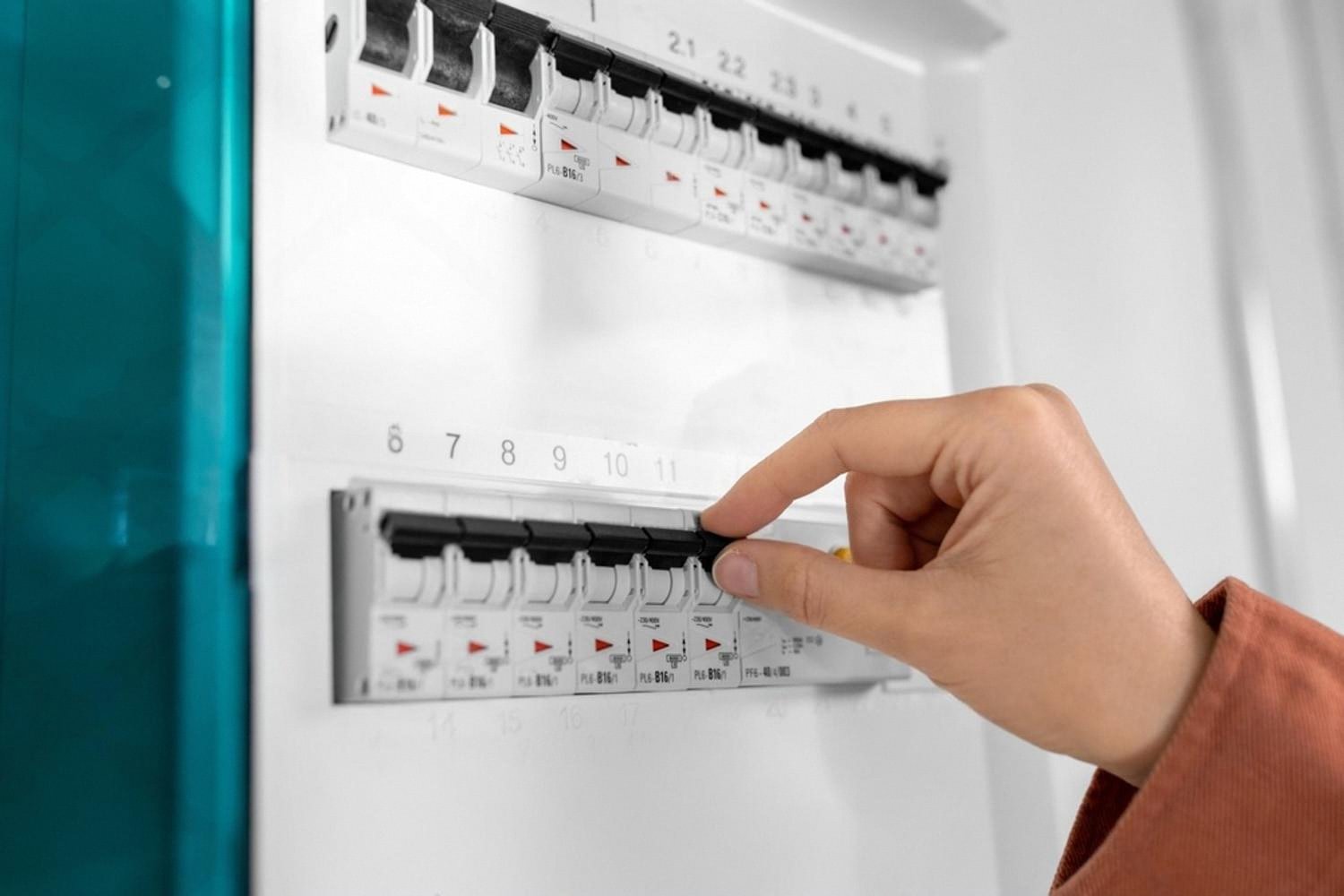
- Test your RCD every few months. Press the T button on the distribution board. It should trip instantly. If it does not, call a professional.
- Look at your breakers. Discolouration, a burnt smell, or a warm cover means a bad connection inside.
- Check high-load sockets. The ones feeding the water heater, oven, and washing machine work hardest and fail first.
- Keep a log. Note tripping events with date and time so the electrician can pattern-match the cause.
What to avoid, even if a video makes it look easy
Do not replace a distribution board, extend a ring circuit, wire a new AC point, splice cables inside a wall, or bypass an RCD. Do not use tape as a permanent fix on damaged insulation. Do not work on any circuit without confirming with a tester that it is dead, not just switched off at what you think is the right breaker. Labels get swapped during renovations more often than anyone admits.
In the UAE, electrical installation work in a rented apartment usually requires the landlord’s or developer’s approval as well. A DIY repair that damages the property can end up on your security deposit or, worse, on a Civil Defence report.
Bottom line
Small job, big consequences
Wiring is one of those areas where the cost of getting a professional is small compared with the cost of getting it wrong. A licensed electrician in the UAE is usually available within a few hours, carries the right test equipment, and leaves you with paperwork that protects your tenancy and your insurance.
If something feels off with the power in your home, treat that feeling as data. Isolate what you can, keep people away from the area, and let someone qualified open the cover.
Frequently asked questions
Is it legal to do my own electrical wiring at home in the UAE?
For anything beyond changing a bulb or a plug top, no. Fixed wiring work in the UAE falls under the rules of the local utility (DEWA, ADDC, SEWA, FEWA) and Civil Defence, and it must be carried out by a licensed contractor. Doing it yourself can void your insurance and expose you to fines from your building or authority.
What should I do first if a circuit breaker keeps tripping?
Unplug appliances on that circuit and reset the breaker once. If it trips again immediately, leave it off. Repeated tripping means either a short circuit, an earth fault, or an overload, and all three need a professional to diagnose safely. Do not tape the breaker in the on position or replace it with a higher-rated one.
Who do I call for an electrical emergency in Dubai?
For a supply-side problem, such as no power to the whole building or a fault outside your meter, call DEWA on 991. For fire, smoke, or sparks, call Civil Defence on 997. For a fault inside your apartment or villa, contact your building management or a licensed maintenance company that offers 24-hour electrical service.
Can I at least change a light switch or socket myself?
Technically it is a small job, but the risk is higher than people think. The circuit must be fully isolated at the DB, verified dead with a tester, and the new fitting connected with the correct polarity and earth. A wrong connection can energise the metal parts of nearby fittings. If you are not trained, pay the small call-out fee and get it done properly.
How often should home wiring be inspected in the UAE?
A visual and functional check once a year is a sensible minimum, and a full periodic inspection every three to five years is good practice, especially for older villas. High humidity, dust, and heavy AC loads all age cables and connections faster than in cooler climates.
Will my home insurance pay if a fire is caused by DIY wiring?
Usually not. Most home insurance policies in the UAE exclude damage caused by unauthorised alterations to the electrical installation. If the investigator finds that unlicensed work contributed to the fire, the claim can be denied in full, and you may still be liable for damage to neighbouring units.